The Will to Live
system
Achieve stability. Rebuild the body. Transform life.
The Will to Live System is a structured, step-by-step process in which the Healing phase strengthens the body and mind, and The Path of Redemption releases the shield guarding the soul.
the Healing Program
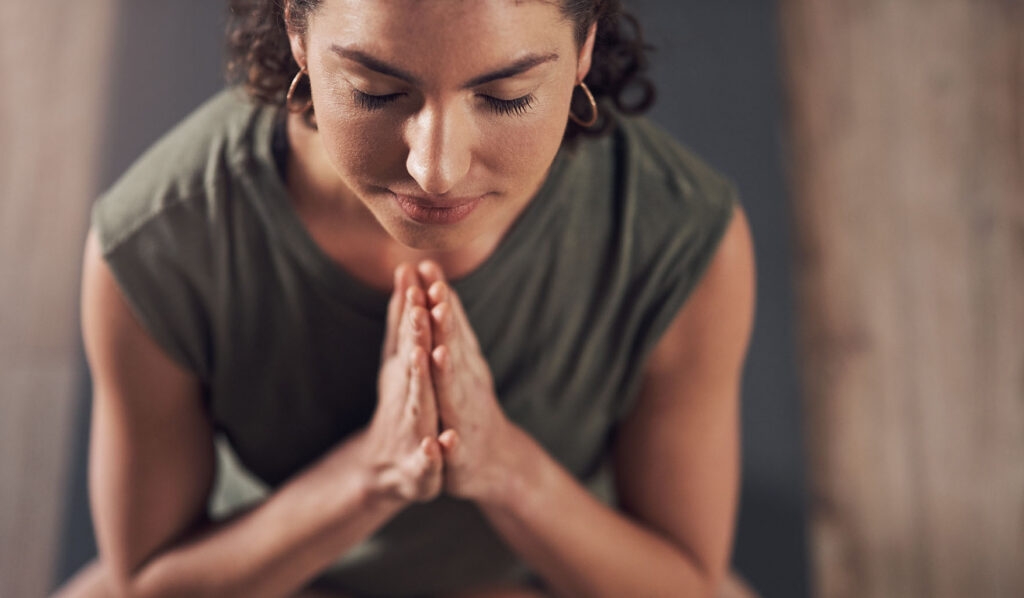
In Calming the Mind & Body, a consultant works with each patient to develop a tailored plan by evaluating daily life, mental health, and—alongside a nutritionist—diet and exercise.
This foundation is then integrated with Transformation of Life to form a structured forty-day healing process.
The process is reflected in the Daily Activity of the Healing Program outlined below. It may take place at a dedicated healing facility or, when necessary, be incorporated into a patient’s everyday environment.
Upon completion, consultants develop a follow-up plan that carries the core elements of the healing process into each patient’s ongoing daily routine.
Calming the Mind & Body
These three steps lay a foundation for rebuilding a broken mind and body.
01. Stabilize Life
A Personal Army is established to manage the demands of daily life, especially when a patient is overwhelmed by cancer or another debilitating condition. This support system is responsible for:
- Family Stability: Meal trains, grocery delivery, childcare coordination, etc.
- Home Stability: Mail management, yard work, maintenance, etc.
- Financial Stability:
- Supporting each patient’s family and homes because of loss in revenue
- Stabilizing insurance coverage, including Medicare/Medicaid
02. heal the mind
A customized program guides the patient through metal health and addiction issues:
- Suicidal Thoughts: Discussing, and addressing, the desire to give up vs. the desire to heal.
- Substance Abuse: Addictions to drugs and/or alcohol must be addressed early for the healing program to be successful. These dependencies can disrupt a patient’s ability to fully engage in the process. If addiction is identified and present, the patient will be encouraged to complete a rehabilitation program before continuing.
03. rebuild the Body
A diet and exercise program tailored by a nutritionist for each patient. This includes:
- Health Assessment: Comprehensive blood, urine, and allergy tests to understand the body’s health baseline.
- Healing Diet: Using the results of a health assessment to build a tailored diet which replaces inflammatory/unnatural diets with non-inflammatory/organic diets.
- Legal Drug Use: Certain prescribed medications may be necessary, while others may be reduced over time. Each patient’s needs are carefully evaluated by a nutritionist, using health assessments and the healing diet to identify opportunities for adjustment. Any changes are made in coordination with appropriate medical professionals.
- Calming Exercise: Gentle movement (walking, yoga) combined with breathwork to lower cortisol.
The Transformation of life
These steps enable a patient to embrace, then enjoy, the most beautiful and broken natures of life.
The Acceptance of Death
Death is feared by many because few see it as the passage of one life into another. The Acceptance of Death eliminates this fear when patients are taught to understand that life is a small portion of the eternal existence of the soul, which acceptance transforms disabilities into small, irrelevant portions of an eternal life.
The Rebuilding of a Broken Life
When death is accepted, life becomes a temporary vessel for the soul, making pain small, nearly irrelevant pieces of it, allowing the patient to ask: “How can I enjoy my temporary life?”
The answer is simple: “Create a beautiful life of service, joy, and purpose, not in despite of any disability, but with it.”
The Healing Facility
The healing facility is a location where each patient lives during the healing program. The program is intense, but never needs to be taken alone, which is why rooms are available for each patient’s family.
Certain activities, including group healing sessions, meditation sessions, and, at times, mental health or transformation sessions, are available to patients who are not attending the healing facility.
Daily Activity of The HEaling Program
Awakening & Movement
Awakening • Meditation Sessions • Morning Walking • Dietary Breakfast
Therapy & Nutrition
Dietary Lunch • Mental Health Program (Suicide/Addiction/Building a Life without Either) • Healing Group Sessions with Fellow Patients
Core Transformation Work
Transformation Sessions of the Acceptance and Rebuilding of Life • Calming Exercise Plans and/or Relaxation Time • Expanded Healing Group Sessions with Fellow Patients
Rest & Connection
Dietary Dinner • Time with Family/Friends • Television/Reading/Etc. • Rest/Calm with Meditation Sessions and Similar Programs
The path of Redemption
In The Path of Redemption, patients are guided beyond physical and mental restoration toward deeper clarity and purpose.
Forgiveness turns inward, helping patients recognize and release the pain caused by others. Repentance turns outward, requiring patients to acknowledge where they have caused harm and to seek forgiveness in return.
Through this work, patients confront unresolved burdens, release internal barriers, and restore alignment in their lives.The process is carried out through structured daily practices and guided reflection, either within a dedicated environment or integrated into daily life.
Once both are complete, true healing begins—allowing the most painful parts of life to lose their weight and become part of a meaningful existence.
Forgiveness
Repentance
Repentance is the act of seeking forgiveness from others for harm that has been caused.
This path can be difficult, as many patients feel their actions were justified. However, healing requires moving beyond justification and toward understanding. Even when disagreements exist, a willingness to consider another person’s perspective becomes essential to the process.
To understand the reasons, the patient must step into the victim’s shoes to see the purpose of the victim’s thoughts. Once the purpose is understood, the patient sees why the victim’s beliefs deviated from the patient’s, which have nothing to do with reality; rather, they reveal the results of what each was taught.
The patient then seeks repentance for their actions, not from the victim, but from God. Once a patient accepts repentance, redemption is granted, breaking the last portion of the self-created shield guarding the soul.
With a freed soul, the patient embraces the connection of the soul with God and all other souls, which reveals the true purpose of The Will to Live: It was never meant to heal the patient’s mind or body, it was meant to break the shield over the soul.
Implement This Protocol
We license this methodology to Maximized Healing Companies (Hospitals) and External Healing Companies (Rehab Centers).